
BLOG

February-Heart-Health-newsletter-RWWC-1200x678.jpeg

February is Heart Health Month, and it is one of the most important health conversations for women. Heart disease remains the leading cause of death for women in the United States, yet many symptoms look different in women than in men, and early warning signs are often overlooked or dismissed as stress, fatigue, or “just getting older.”

This month is an opportunity to pause, check in with your body, and understand what your heart may be trying to tell you.

Why Women’s Heart Health Deserves Special Attention

Women experience heart disease differently. Symptoms can be subtle, slow‑building, or easy to misinterpret. Instead of the classic “crushing chest pain,” women may feel:

• Unusual fatigue
• Shortness of breath
• Nausea or indigestion
• Back, jaw, or shoulder discomfort
• Lightheadedness or dizziness
• A sense that “something just feels off”

These symptoms can appear during rest, daily activities, or even sleep. Many women push through them, assuming they are related to stress, hormones, or a busy schedule. Understanding these differences is the first step toward protecting your long‑term health.

The Hidden Factors That Affect Women’s Heart Health

Heart health is influenced by more than blood pressure and cholesterol. For women, several life stages and conditions can shift cardiovascular risk in ways that are often under‑recognized:

• Pregnancy‑related complications such as preeclampsia, gestational diabetes, or high blood pressure
• Polycystic ovary syndrome (PCOS) and insulin resistance
• Perimenopause and menopause, when estrogen levels decline
• Autoimmune conditions, which are more common in women
• Chronic stress and emotional load, which affect women disproportionately

These factors don’t just influence how you feel today — they shape your long‑term heart health.

Small Steps That Make a Big Difference

Heart health is not about perfection. It is about awareness, consistency, and listening to your body. A few meaningful habits can create real change:

• Checking your blood pressure regularly
• Prioritizing sleep and stress management
• Adding more fiber, colorful produce, and heart‑healthy fats
• Moving your body in ways that feel sustainable
• Staying on top of routine screenings and labs
• Paying attention to symptoms that feel new or unusual

Your heart responds to the choices you make every day, and even small adjustments can support long‑term wellness.

Why February Is the Perfect Time to Check In

Winter can be a challenging season for women’s health. Energy dips, mood shifts, disrupted routines, and less movement can all influence cardiovascular wellbeing. Heart Health Month is a reminder to pause, reset, and make sure you are caring for the organ that keeps everything else going.

A simple conversation with your provider can help you understand your personal risk, your numbers, and the steps that will support your health in the year ahead.

Your Heart Deserves Attention, Not Assumptions

Women are often taught to push through discomfort, minimize symptoms, or prioritize everyone else first. This month is an invitation to do the opposite. Your heart is central to your overall health, and understanding how to care for it is one of the most powerful things you can do for your future.

If you are ready for a heart‑health check‑in, our team is here to support you with compassionate, evidence‑based care.

glp1-newsletter-photo-rwwc-1200x794.jpg

GLP-1 medications are changing the landscape of metabolic care, and for many women, they offer more than just weight loss. Whether you’re navigating menopause, managing PCOS, or thinking about fertility, these medications may play a meaningful role in your health journey.

GLP-1s work by slowing digestion, which helps regulate appetite and reduce “food noise.” That same mechanism can affect how birth control pills are absorbed, so we recommend backup contraception during dose changes. For women with PCOS or insulin resistance, GLP-1s may help restore ovulation. This can be a welcome benefit if you’re trying to conceive, and an important consideration if you’re not.

For postmenopausal women, GLP-1s can support insulin sensitivity, reduce visceral fat, and lower cardiovascular risk. These are all areas impacted by declining estrogen. However, for metabolically healthy women considering GLP-1s for modest weight loss, the risks may outweigh the benefits. These medications must be stopped one to two months before trying to conceive and are not safe during pregnancy or breastfeeding.

At Rittenhouse, we believe in personalized care. That means looking beyond BMI to assess inflammation, insulin resistance, family history, and lifestyle. GLP-1s may be appropriate even at lower weights, but only when they align with your broader health goals.

The future of GLP-1s includes oral options, generics, and expanded use for heart health, inflammation, and even addiction. The most important shift is moving toward care that is tailored to you—your biology, your values, and your life.

If you’re curious about whether GLP-1s are right for you, our providers are here to guide you through every step with clarity, compassion, and clinical expertise.


rwwc-SERVICES-e1754328195317.png

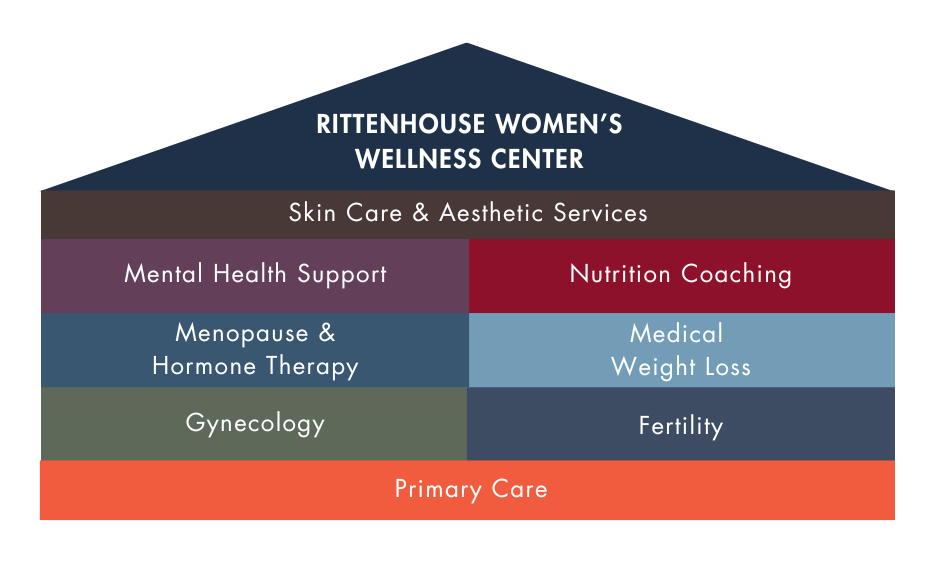
August is National Wellness Month—a 31-day invitation to slow down, tune in, and invest in habits that help you thrive. At Rittenhouse Women’s Wellness Center, every service under our roof is designed with that same mission in mind: caring for the whole woman, at every life stage, all in one convenient Rittenhouse Square location.

Primary Care—Your Health Home Base
Whether it’s a same-day sick visit, a preventive screening, or long-term management of hypertension or diabetes, our board-certified providers listen first and treat second—so your health plan reflects your real life.

Gynecology & Fertility
From annual exams and birth-control consults to pre-conception counseling and fertility work-ups, our gynecologists provide evidence-based guidance with the warmth you’d expect from a longtime friend.

Menopause & Hormone Therapy
Experiencing hot flashes, mood swings, or sleep changes? Certified Menopause Providers offer both bio-identical and traditional hormone-replacement options to restore balance and keep you active.

Medical Weight Loss
Our partnership with Better Health & Wellness Weight-Loss Center brings physician-supervised GLP-1 treatments like Semaglutide together with weekly nutrition coaching—so you lose weight safely and sustainably.

Mental Health Support
Life transitions, career stress, postpartum emotions—whatever you’re facing, our in-house therapists and wellness counselors tailor sessions to your goals, not generic checklists.

Nutrition Coaching
Work one-on-one with our Registered Dietitian to build meal plans you’ll actually enjoy, decode lab work, and turn “eat better” into a step-by-step strategy.

Skin Care & Aesthetic Services
Dermacenter’s medical-grade facials, lasers, and injectables help you glow with the same confidence you feel on the inside—because radiance is part of wellness, too.


How We Make Wellness Work for You

All-Women Team, Whole-Person View. Our providers collaborate daily.

Flexible Scheduling. Early-morning, lunchtime, and evening appointments mean self-care fits your calendar, not the other way around.

One Roof, One Record. Integrated electronic records let us spot patterns, close gaps, and celebrate wins together.


Your August Action Plan

  1. Book Your Annual or Follow-Up Visit. Preventive care is the cornerstone of longevity. Secure a slot before the fall rush.
  2. Add a Wellness “Plus-One.” Tack a nutrition, psychology, or skin-care consult onto the same trip—maximize convenience, multiply results.

Ready to celebrate you? Call 215-735-7992, tap “Schedule Appointment” at RWWC.com, or reply to this email and our concierge team will handle the rest.

Here’s to a month—and a lifetime—of feeling your best.

With care,
The Rittenhouse Women’s Wellness Center Team


Whooping-cough-on-the-rise-Rittenhouse-Womens-Wellness-Center-1200x800.jpeg

Toddler child sneezing while coloring with crayons. Baby with cough. Germs pediatric medicine.

Recent outbreaks of preventable diseases like measles and whooping cough highlight the urgent need to address vaccine hesitancy. Declining vaccination rates, compounded by public health funding cuts during the Trump administration, have left vulnerable populations—especially babies and young children—at greater risk.

Experts warn that without stronger vaccination efforts, these outbreaks could worsen, threatening public health on a larger scale. It’s a stark reminder of the importance of maintaining robust vaccination programs to protect communities from preventable illnesses. Read more here.


World-Health-Day-Rittenhouse-Womens-Wellness-Center-1200x800.jpeg

World Health Day, Global healthcare concept. Stethoscope wrapped around globe on blue background.

Each year on April 7th, the global community comes together to commemorate World Health Day – an initiative by the World Health Organization aimed at raising awareness about pressing health issues worldwide. This year’s campaign, titled Healthy beginnings, hopeful futures underscores the importance of prioritizing health and well-being at a time when the world faces unprecedented health challenges.

At Rittenhouse Women’s Wellness Center, we are dedicated to empowering women to take charge of their health through comprehensive care and support. As we reflect on the significance of World Health Day, it is essential to recognize the specific health needs and challenges that women encounter throughout their lives.

Women’s health encompasses a broad spectrum of issues, ranging from reproductive health to mental well-being and chronic conditions. Regular screenings, preventive measures, and a holistic approach to healthcare are vital components in maintaining optimal health for women of all ages. This World Health Day, we encourage women to prioritize their well-being by scheduling routine check-ups, discussing any concerns with healthcare providers, and adopting healthy lifestyle practices.

As we observe World Health Day, let us reaffirm our commitment to supporting women’s health and well-being. Through education, empowerment, and compassionate care, we aim to be a trusted partner in your health journey.

Join us in spreading awareness, prioritizing health, and advocating for a healthier future for all women.

Stay informed, stay healthy,

Our team at Rittenhouse Women’s Wellness Center


As we enter the month of February, a time often associated with love and affection, it is essential to shift our focus towards matters of the heart that are crucial for women’s overall health and well-being. This month, let us prioritize heart health and raise awareness about the importance of cardiovascular care for women.

According to the American Heart Association (AHA), heart disease is the leading cause of death for women worldwide, emphasizing the need to promote heart-healthy habits and routines. Despite this alarming statistic, there is a prevailing misconception that heart disease primarily affects men. However, research from the Centers for Disease Control and Prevention (CDC) confirms that heart disease can impact women of all ages, races, and backgrounds.

Maintaining a balanced lifestyle that includes regular physical activity, a nutritious diet, sufficient sleep, stress management, and avoiding harmful habits such as smoking is crucial for heart health, as highlighted by the National Heart, Lung, and Blood Institute (NHLBI). By incorporating these practices into our daily routines, we can significantly reduce the risk of developing heart disease and improve overall cardiovascular health.

Regular check-ups with healthcare providers are essential for monitoring heart health. According to WomenHeart: The National Coalition for Women with Heart Disease, women’s cardiovascular symptoms can often present differently than those in men. Symptoms such as shortness of breath, chest pain or discomfort, fatigue, nausea, and dizziness should never be ignored and must be promptly addressed by medical professionals.

Education and awareness play a vital role in preventing heart disease among women, as emphasized by the Mayo Clinic. By empowering ourselves with knowledge about risk factors, symptoms, and preventive measures, we can take proactive steps to safeguard our heart health and well-being.

This February, let us come together to prioritize heart health, not only for ourselves but for the women in our lives. By spreading awareness, advocating for preventive care, and supporting one another on our wellness journeys, we can strive towards a future where heart disease is no longer the leading cause of death for women.

Remember, the heart is not just a symbol of love; it is also the engine that keeps us going. Let us nurture and care for our hearts this February and beyond, embracing a lifestyle that promotes cardiovascular health and longevity for all.


As we usher in the new year, many of us are eager to set resolutions that prioritize our health and well-being. However, sticking to these resolutions can be challenging without a solid plan in place. Here are some tips to help you set and achieve your health goals for the year ahead.

1. Be Specific and Realistic: When setting health resolutions, it’s important to be specific about what you want to achieve. Instead of a vague goal like “get healthier,” consider setting specific objectives such as “exercise for 30 minutes three times a week” or “eat five servings of fruits and vegetables daily.” Additionally, make sure your goals are realistic and achievable within your current lifestyle.

2. Create a Plan: Develop a detailed plan outlining how you will work towards your health goals. This may include scheduling workout sessions, meal planning, or seeking support from a healthcare professional. Having a well-thought-out plan can help you stay organized and focused on your objectives.

3. Track Your Progress: Keep track of your progress by maintaining a journal or using a health tracking app. Monitoring your activities, results, and setbacks can provide valuable insights into your habits and help you stay accountable to your goals. Celebrate your achievements, no matter how small, to stay motivated along the way.

4. Seek Support: Don’t be afraid to reach out for support from friends, family, or healthcare providers. Having a support system can provide encouragement, motivation, and accountability as you strive to achieve your health resolutions. Consider joining a fitness class, seeking guidance from a nutritionist, or connecting with a health coach for additional support.

5. Stay Flexible: Lastly, remember that setbacks are a natural part of any health journey. Be gentle with yourself and stay flexible in adapting your goals as needed. If you encounter obstacles, reassess your approach, make necessary adjustments, and continue moving forward towards your health aspirations.

By implementing these tips and strategies, you can set yourself up for success in achieving your health resolutions for the new year. Remember that small, consistent actions can lead to significant improvements in your overall well-being. Here’s to a happy and healthy year ahead!


As winter wraps the world in its frosty arms, it nudges us to pay a bit more attention to our well-being as we maneuver through the chilly terrain. While it’s solid advice to cozy up and sip on warm drinks, let’s dig into some off-the-beaten-path tips that can help us thrive in mind, body, and spirit during these wintry months.

  1. Get Outside, Even in the Cold: While the temptation to hibernate indoors is strong when the mercury drops, venturing outside for some fresh air and natural light can work wonders for both physical and mental health. Embracing chilly strolls in a winter wonderland can invigorate the senses and boost mood, providing a refreshing break from indoor monotony.
  2. Embrace Cold Showers: Surprisingly, cold showers in the winter can offer a myriad of health benefits. Not only can they invigorate the body and mind, but they may also improve circulation, enhance resilience to cold weather, and even boost the immune system.
  3. Indulge in Winter Produce: While summer boasts a colorful bounty of fruits and vegetables, winter too harbors some seasonal delights. From hearty root vegetables to citrus fruits bursting with vitamin C, exploring winter produce can not only diversify your diet but also provide a range of nutrients crucial for cold-weather wellness.
  4. Hydrate Like it’s Summer: The cold can trick us into thinking we don’t need as much water in winter as we do in the summer heat. However, the dry air and indoor heating can still lead to dehydration. Keep a water bottle handy and maintain optimal hydration levels to support your body’s functions and keep your skin glowing even when the weather is gloomy.
  5. Opt for Mindful Movement: Winter fitness doesn’t have to mean braving the cold for outdoor runs. Engage in activities that resonate with your spirit, whether it’s trying a new yoga routine, dancing to your favorite tunes at home, or embarking on an indoor rock-climbing adventure. The key is to stay active and keep those winter blues at bay with movement that brings you joy.

So, as you traverse the winter wonderland this season, remember these unconventional yet effective tips to elevate your cold-weather health game. By thinking outside the typical winter health advice box, you can unlock a world of wellness possibilities that nourish your body, mind, and soul in the magical winter realm.


As we celebrate Healthy Aging Month, it serves as a reminder that it’s never too late to take charge of your health and well-being. At RWWC, we are committed to supporting individuals in their journey towards healthy aging by offering a range of preventative services designed to enhance overall quality of life.

One of the key pillars of our approach is providing comprehensive annual check-ups that include thorough blood work analysis. By proactively monitoring your health markers, we can identify potential issues early on and implement interventions to prevent the onset of diseases.

We emphasize the importance of annual gynecological check-ups to promote reproductive health and overall well-being. Our specialized team is dedicated to providing personalized care and empowering women to prioritize their health at every stage of life.

Nutrition counseling is another essential component of our preventative services. We believe that a balanced diet is fundamental to healthy aging, and our nutrition experts are here to guide you in making sustainable dietary choices that support your long-term health goals.

In addition to physical health, we recognize the significance of mental well-being in the aging process. Our psychology counseling services offer a supportive environment for addressing mental health concerns, managing stress, and enhancing overall emotional resilience.

As a part of our aesthetic approach to healthy aging, we also offer medical spa treatments designed to rejuvenate your skin, boost your confidence, and enhance your natural beauty.

Lastly, our weight loss programs are tailored to individual needs, providing personalized strategies to help you achieve and maintain a healthy weight, improve metabolic health, and enhance overall vitality.

This Healthy Aging Month, take a proactive step towards prioritizing your health and well-being. Let us be your partner in aging gracefully and living your best life. Contact us today to learn more about how our preventative services can support you on your journey to healthy aging.


31/Jul/2024

Semaglutide, the active ingredient in drugs like Wegovy and Ozempic, can help people lose weight — and a new study says it may also help people quit smoking.

In the study, published in the Annals of Internal Medicine on Monday, researchers found semaglutide was associated with lower risks for tobacco use disorder-related health care measures, including reduced smoking cessation medication prescriptions and counseling.

The study compared 222,942 new users of anti-diabetes medications, including including semaglutide and seven others. Participants had both Type 2 diabetes and tobacco use disorder and, according to the findings, mostly showed differences within 30 days of starting the prescription when comparing the groups.

While it’s too early to suggest prescribing the drugs for smoking cessation, the findings suggest the need for more research to evaluate semaglutide’s potential for tobacco use disorder treatment.

This isn’t the first time an association has been noted between drugs like Wegovy or Ozempic for weight loss and reduced cravings for things like smoking. Some doctors and patients have seen diminished cravings for nicotine, alcohol and even opioids as a unexpected side effect.

Why are researchers and patients seeing this? It has to do with how drugs like Ozempic work with the reward centers in the brain, Dr. Tamika Henry, founder of the California-based Unlimited Health Institute, previously told CBS News.

“When we think about the reward centers, it releases dopamine, which is our feel-good hormone. So what happens is, when you do a certain activity, dopamine surges – and you’re like, ‘Oh, I want to keep doing that,’ whether that’s indulging in alcohol, nicotine or even gambling,” she said. “How Ozempic works is, it decreases the surge of dopamine, and therefore the desire for that particular activity is decreased.”

However, the risk of negative side effects is also a factor to consider with these drugs, including for uses beyond weight loss.

“As you’re thinking about decreasing an addiction, yes, you want to do that, but is there also going to be some association with nausea? Are you also going to have problems with heartburn, fatigue?” Henry said. “The other thing is taking a medication is just part of it. You need to start to do the other things that help you along the way. Because if the medication is removed, then what happens?”


A Note from RWWC

“Since our founding in 2008, our goal has been to provide primary care for women. Our team of physicians and nurse practitioners are dedicated to providing preventive care, diagnosis and treatment of acute and chronic disease(s) and coordination of care with specialists.”

Contact Us

CALL: 215-735-7992

TEXT: 215-710-1879

EMAIL: info@rwwc.com

Copyright by Rittenhouse Women's Wellness Center. All rights reserved.